Agricultural production and food security under Vision 2030
At first glance, agricultural production and arid climate conditions appear incompatible. Yet Saudi Arabia is attempting to reconcile both through innovation, strategic investment and systemic reform.
The study Sustainable framing systems for food security in Saudi Arabia: the synergistic role of agriculture mechanization, farm structure, gender dynamics, and resource optimization, published in Frontiers, explores how the Kingdom can strengthen self-sufficiency despite structural constraints.
For Riyadh, food security is not only a social priority but a strategic component of Vision 2030, the national development plan aimed at reducing oil dependence, diversifying the economy and expanding non-oil trade.
Limited water and arable land
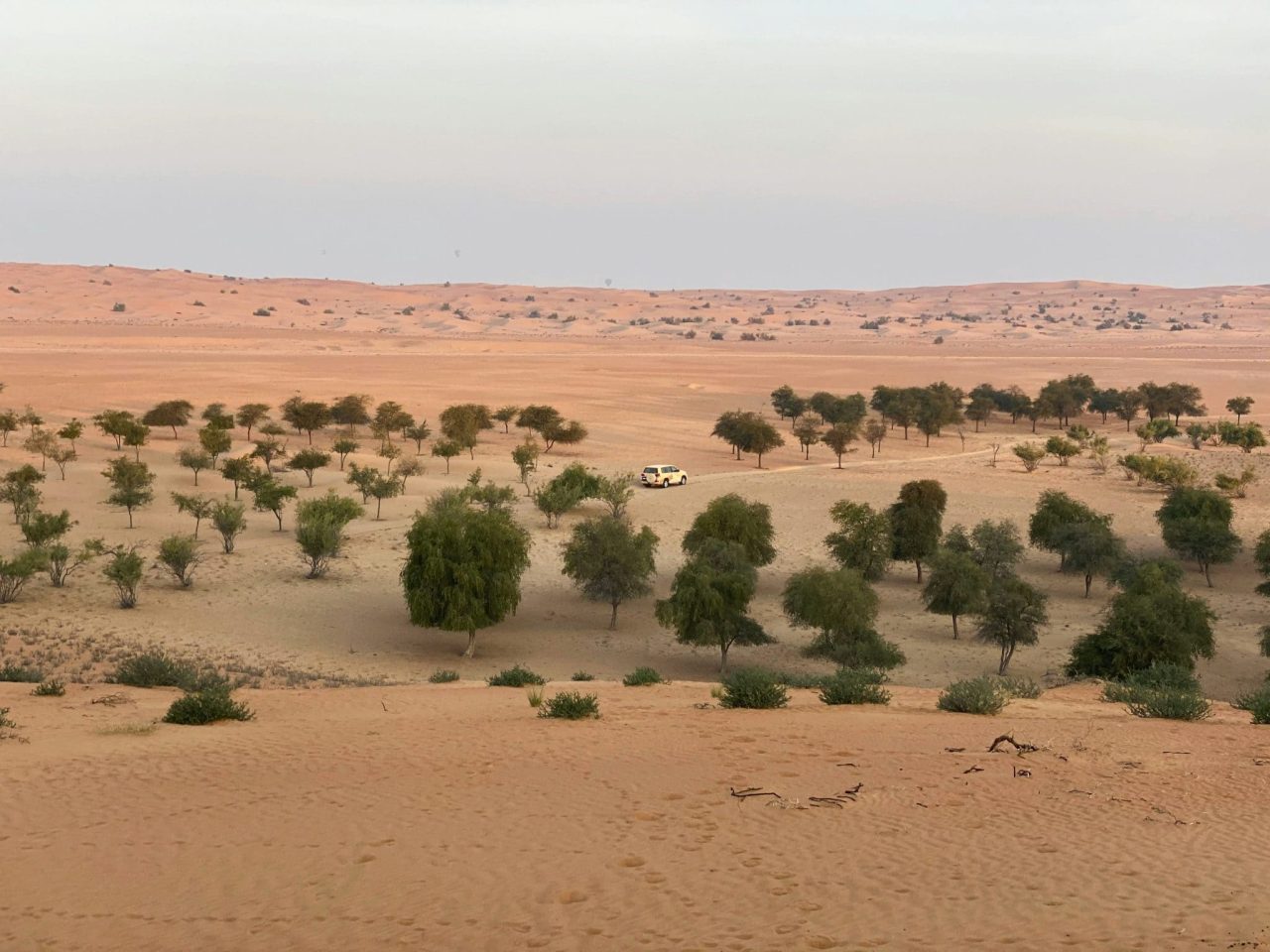
Saudi Arabia faces severe environmental limitations. Scarce freshwater resources and limited arable land make agricultural production structurally challenging. In an already fragile ecosystem, climate change is further reducing agricultural productivity.
Food imports currently guarantee national food security. However, Vision 2030 seeks to reduce reliance on imports by identifying viable models for agricultural production in arid conditions.
Strategic choices for sustainable agricultural production
The study highlights the importance of system-wide innovation, agricultural mechanization, resource optimization and evolving gender dynamics in building sustainable food systems.
Traditional global farming systems, combined with climate change and unsustainable consumption patterns, risk intensifying food insecurity. Increasing food demand will place additional pressure on ecosystems, potentially reducing soil fertility and freshwater availability.
The challenge is not simply to increase agricultural output, but to ensure long-term sustainability and resilience.
Agriculture in the global food system
Agriculture remains a cornerstone of the global food system, supplying daily nutrition and delivering essential ecosystem services.
Sustainable food systems are critical because they:
- Promote efficient resource management
- Reduce food waste
- Lower environmental risks
- Limit the use of agrochemicals
- Support land conservation for healthy food production
- Minimize conflicts linked to food scarcity
Globally, more than 800 million people are undernourished, while 1.2 billion are overweight. By 2050, global food demand is expected to increase by more than two-thirds as the population surpasses 9 billion.
The central question is clear: how to produce more with fewer resources while maintaining ecosystem balance.
Agricultural production growth despite arid conditions
Even in one of the most arid areas of the Middle East, climate change is already a tangible reality: agricultural productivity, which is already limited, is declining. By 2050, Saudi Arabia may need to import virtually all of its required food supply.
At the same time, Saudi Arabia is working to reduce its dependence on the oil sector and diversify its economy.
For this reason, under Vision 2030, the growth of the agricultural sector and its value chain has received significant attention as a largely untapped area of economic potential.
Despite its harsh climate, Saudi Arabia has achieved partial self-sufficiency in fresh milk, dates, certain vegetables and eggs. The agricultural sector is now the third-largest contributor to GDP and provides employment to millions of Saudis.
Government initiatives focus heavily on water-saving technologies, including hydroponics and greenhouse farming. Increased agricultural funding and rural development programs are intended to reduce dependency on imports and strengthen domestic value chains.
Vision 2030 identifies agriculture as an underexploited growth area within the broader diversification strategy.
Gender dynamics and productivity gains
Globally, women represent 43% of the agricultural workforce, rising to 50% in Africa and Asia. Yet systemic barriers limit their access to land ownership, credit, education, technology and extension services.
This inequality reduces productive capacity and reinforces poverty and food insecurity.
Research suggests that if women farmers had equal access to agricultural resources, agricultural production could increase by 20–30%, potentially lifting millions out of food insecurity and malnutrition.
Women often carry out core agricultural labor while managerial control remains male-dominated. In addition, unpaid domestic work reduces women’s capacity to engage in productive farming activities.
Women, climate change and resilience
Women are disproportionately exposed to the impacts of climate change due to limited access to adaptive technologies and essential resources.
Prolonged droughts and irregular rainfall increase vulnerability, particularly for those relying on traditional farming methods.
When women achieve financial independence and control over resources, income is frequently reinvested in household health and nutrition, generating broader community-level food security benefits.
Sustainable food security therefore depends significantly on gender-focused policies, including land reform, improved access to credit and gender-responsive agricultural extension services.
Addressing gender disparities in agricultural production is not only a social imperative but a strategic lever for long-term food resilience in arid regions.