Recycled construction waste and mycelium reshape temporary shelter design
Extreme weather events, floods, hurricanes and earthquakes, as well as conflict and human intervention, increasingly force communities to abandon their homes and adapt to emergency living conditions. In most cases, this means moving from permanent housing to temporary shelters that are often uncomfortable and inefficient.
Efforts to improve conventional container-based housing have accelerated in recent years. Projects such as Holcim and Norman Foster’s Essential Homes and Shigeru Ban’s paper-based structures have proposed alternative approaches to temporary accommodation. At Dubai Design Week, two research teams presented innovative prototypes: one based on mycelium, the vegetative structure of fungi, and another developed using recycled construction waste.
From containers to mycelium-based emergency housing
The ReRoot project, developed by Dima Al Srouri, Dalia Hamati, Andy Cartier and Rosa Hämäläinen, introduces fungi-based biomaterials into emergency shelter design.
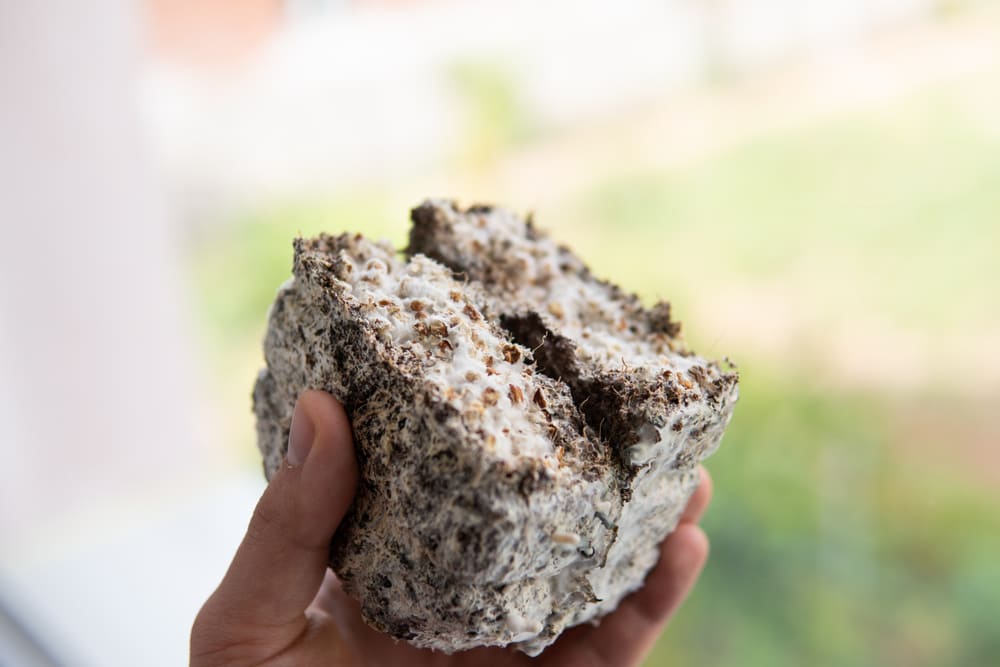
Mycelium can be cultivated with organic substrates and shaped into molds of various forms, producing brick-like elements that combine structural resistance with strong thermal performance. Unlike metal containers, which can trap cold in winter and overheat in summer, mycelium-based shelters can provide improved comfort while remaining environmentally sustainable and economically accessible.
By blending vernacular architectural principles with innovative biomaterials, ReRoot enables communities to construct shelters using locally sourced palm waste and mycelium, shaped to resemble traditional stone. The concept merges craftsmanship and nature-based solutions, creating materials in collaboration with natural processes.
Eco-cement derived from recycled construction waste
Dubai Design Week also showcased a second solution focused on circular construction. Instead of fungi, this approach starts with recycled construction waste generated during building and demolition activities.
The prototype, named STOOT, was developed through a collaboration between Oxara and architect Abdalla Almulla.
The experiment demonstrates how construction debris can be transformed into an alternative eco-cement with the potential to reduce CO₂ emissions from the building sector by up to 90% compared with conventional cement production.
According to its creators, this construction technology moves away from high-rise models toward more human-scale buildings and could cut up to 1.2 billion tonnes of CO₂ annually. At the same time, it enables the recycling of around one billion tonnes of construction waste worldwide, offering a scalable pathway toward lower-carbon and more resource-efficient urban development.
Also read: “Prysmian and GCCIA advance grid innovation with E3X conductors“