Global energy crisis emergency measures reshape government priorities
With the escalation of the conflict between the United States, Israel and Iran, countries worldwide have introduced energy crisis emergency measures to cope with the resulting supply shock. The closure of the Strait of Hormuz has disrupted nearly 20% of global oil flows and a similar share of liquefied natural gas (LNG).
Despite the announcement of a two-week ceasefire, the crisis is expected to persist due to damage to energy infrastructure in the Middle East and ongoing political uncertainty.
The International Energy Agency (IEA) has described the situation as the largest supply disruption in the history of the oil market, surpassing the systemic impact of the shocks seen in the 1970s.
At least 60 countries adopt emergency measures
For economies across Asia and Africa, structurally dependent on energy imports from the Gulf, the crisis has triggered unprecedented responses. These range from fuel tax cuts and strict rationing protocols to a renewed reliance on coal, highlighting how energy security and social stability are taking priority.
According to Carbon Brief, at least 60 countries have introduced emergency measures since the outbreak of the conflict. Nearly 30 nations, from Norway to Zambia, have reduced fuel taxes to shield consumers from rising costs, making it the most common policy response.
Some governments are accelerating renewable energy deployment. Others, including Japan and South Korea, are increasing short-term reliance on coal.
In Italy, the coal phase-out has been postponed to 2038, with discussions underway on restoring more stable production at plants such as Brindisi and Civitavecchia.
Asia’s response: subsidies, rationing and fiscal pressure
Asia, which absorbs 75% of the oil and 59% of the LNG passing through Hormuz, has emerged as the most exposed region. Governments have responded with a mix of large-scale subsidies and demand-control measures.
India has implemented one of the most structured responses. On March 27, 2026, Finance Minister Nirmala Sitharaman announced cuts to gasoline and diesel excise duties. While significantly impacting public revenues, the measure was deemed necessary to protect consumers as oil prices surged from $70 to $122 per barrel within a month.
Alongside tax cuts, the government introduced additional measures:
- Export duties: 21.5 rupees per liter on diesel and 29.5 rupees per liter on aviation fuel to discourage exports
- Strategic reserves: Prime Minister Narendra Modi confirmed 5.3 million metric tons in reserves, with an additional 6.5 million under development
- Gas rationing: LPG use restricted for commercial purposes, prioritizing households
- Kerosene distribution: temporarily reinstated in 21 states through the public distribution system
The Economic Times also reported temporary customs duty exemptions on selected petrochemical inputs until June 30, 2026, to support manufacturing and pharmaceuticals.
Southeast Asia: rationing and transport disruption
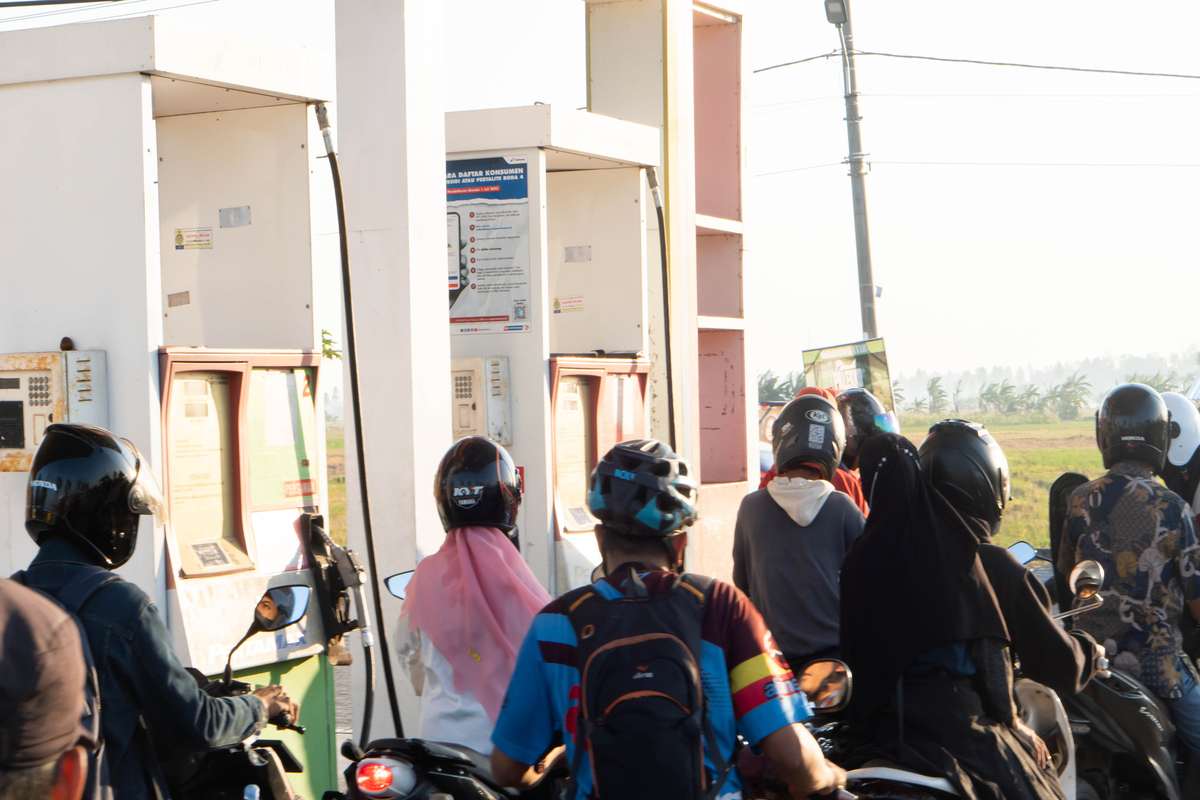
In Vietnam, airlines have cut 23 domestic flights per week to preserve fuel stocks. Indonesia has introduced a daily fuel cap of 50 liters for private vehicles and mandated remote work for public employees every Friday.
The Philippines declared a national energy emergency at the end of March 2026, as fuel shortages and transport strikes disrupted the economy. The government has entered urgent negotiations with Russia and China to secure emergency supplies.
Africa’s energy crisis: structural vulnerability and local responses
Many African countries, despite exporting crude, rely heavily on imported refined products from the Middle East, making them highly exposed to Gulf disruptions and rising shipping insurance costs.
In Egypt, authorities ordered shops and restaurants to close by 9 pm in March, with extended limits set at 11 pm until the end of April.
Nigeria, Africa’s largest economy, has seen gasoline prices surge from 800 to 1,500 naira per liter. With a fragile national grid and a generator-dependent economy valued at $14 billion annually, rising diesel prices, nearing 2,000 naira per liter, have made daily life and business operations unsustainable.
Many households now spend up to 90% of their income on energy and transport.
East Africa: rationing and humanitarian risks
In Nairobi, fuel shortages left many stations dry by mid-March. According to the Petroleum Outlets Association, suppliers began rationing distribution, leaving rural areas underserved.
The humanitarian impact has been severe. The International Rescue Committee warned that diesel shortages are disrupting vaccine cold chains and medical equipment operations in refugee camps such as Kakuma and Dadaab.
In Ethiopia, fuel allocation has been prioritized for public transport and agriculture, while diesel prices have risen from $80 to $230 per barrel.
Southern Africa: fiscal measures to contain price shocks
South Africa introduced a temporary reduction in fuel levies on April 1, 2026. However, currency instability and higher shipping costs have still driven record price increases.
Other regional measures include:
- Namibia: 50% fuel tax cut for three months
- Zambia: suspension of import duties and VAT on fuel
- Zimbabwe: ethanol blending increased to 20% and import taxes reduced
Coal comeback highlights short-term energy security priorities
According to Carbon Brief, at least eight countries have announced plans to increase coal use or revise phase-out strategies. These include Italy, Japan, South Korea, Bangladesh, the Philippines, Thailand, Pakistan and Germany.
Most measures involve delaying plant closures or allowing higher operating capacity at existing facilities rather than building new ones.
Japan, for instance, will allow older and less efficient coal plants to operate at full capacity for one year starting April, reversing previous emission-reduction limits.