


At Gitex Global 2024, prototypes from China and the UAE reignite debate over flying cars, regulation and whether Dubai could host the first real-world deployment.

Gitex Global 2024 showcases the next chapter of flying mobility
For more than a decade, flying cars have been described as the next transport revolution, a futuristic promise often compared to the world imagined in Back to the Future. At Gitex Global 2024, one of the world’s leading technology exhibitions, that vision once again moved closer to reality.
Attention is focused on China, home to at least two companies actively developing flying vehicles, and on Dubai, the city with both the ambition and financial capacity to adopt such solutions. Yet despite the excitement, the widespread use of flying cars remains far from guaranteed.
First flying vehicles expected in Dubai by 2026
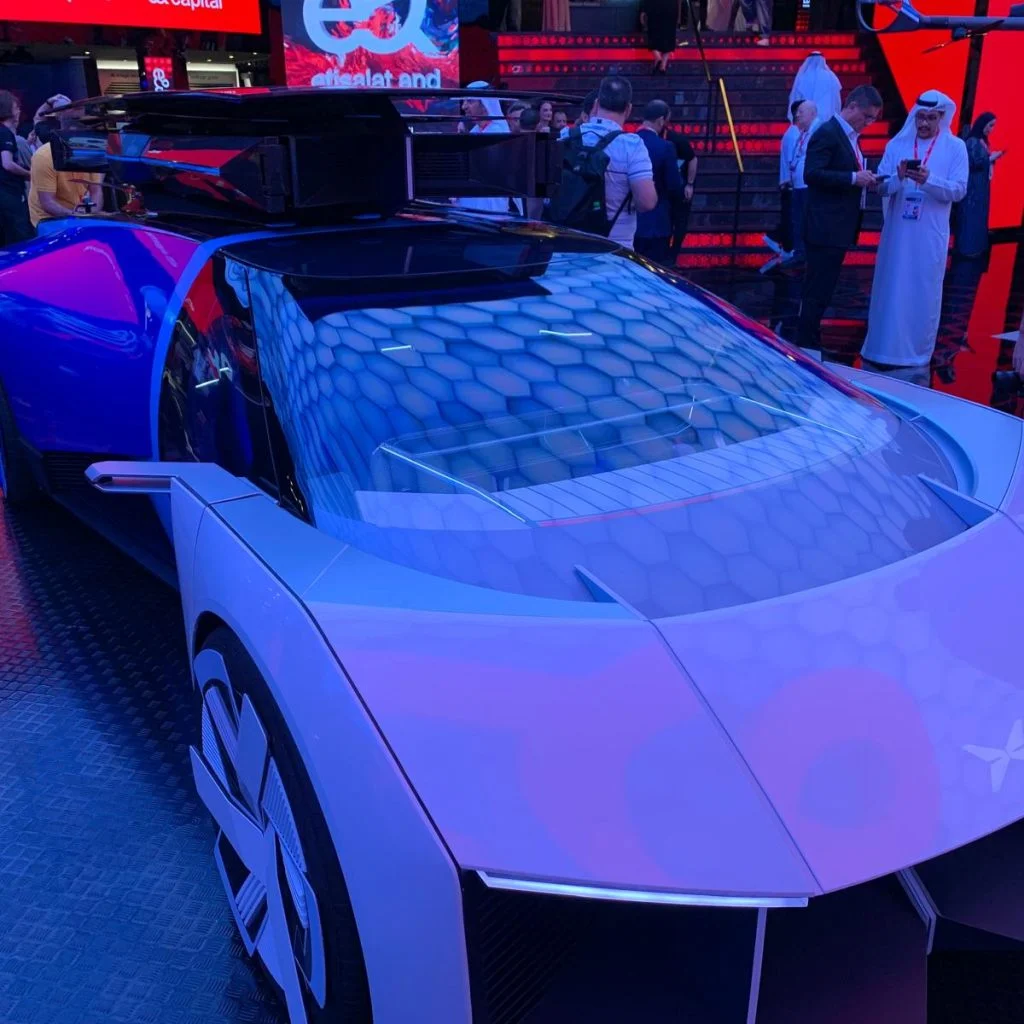
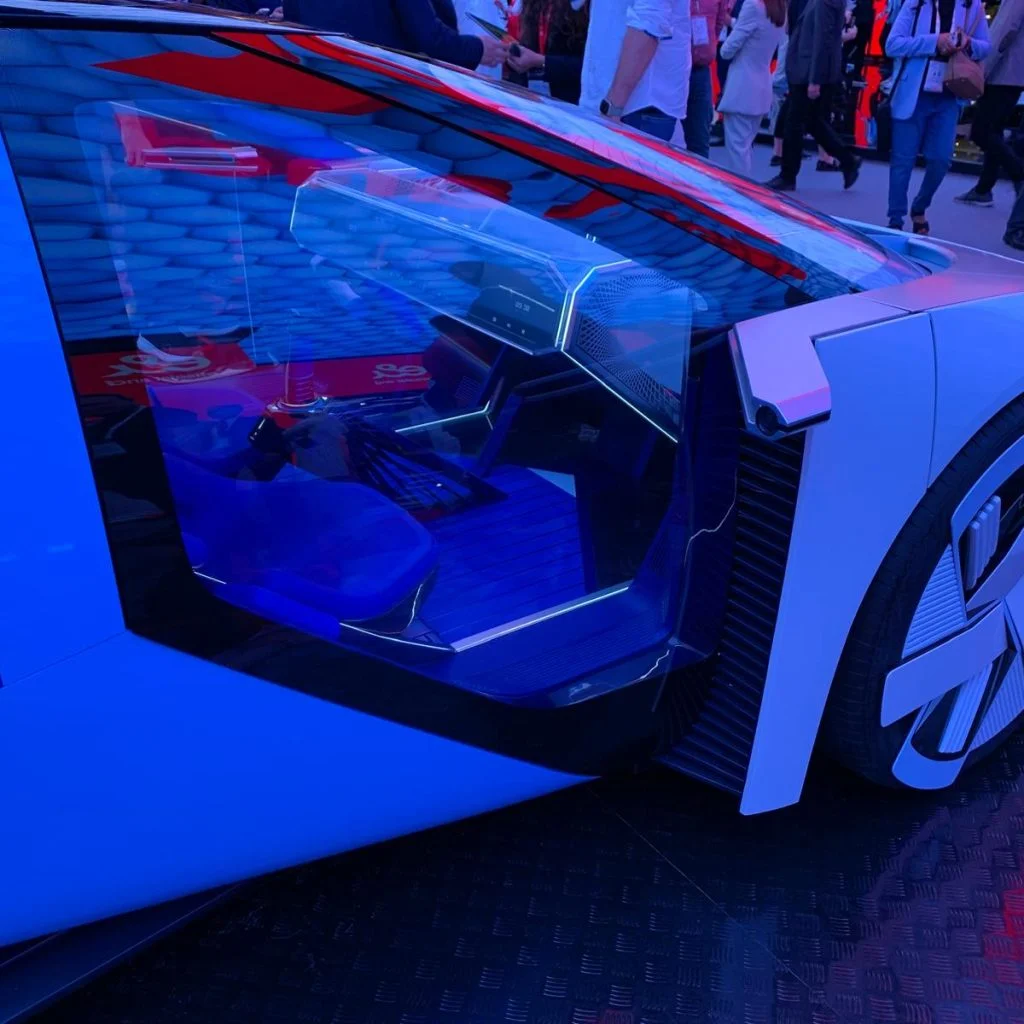
At Gitex Global 2024, visitors were able to see a prototype from Chinese company Xpeng Aeroht, considered Asia’s largest flying car manufacturer. The company is preparing a market-ready product for 2025–2026.
The showcased prototype, called “Evito,” features extendable arms that transform into propellers, allowing it to be driven as a conventional car or flown using a joystick that replaces the steering wheel. According to Vice President and co-founder Tan Wang, a production-ready modular model named “Land Aircraft Carrier” is expected to be available next year.
The Land Aircraft Carrier is a six-wheel hybrid vehicle, 5.5 meters long, two meters wide and two meters high. It includes a four-person cockpit and a detachable two-seat drone module stored at the rear. Pre-orders are expected to begin first in China and potentially later in Dubai, with the first customer deliveries targeted for 2026.

One hundred vehicles ordered for last-mile mobility
Flying mobility concepts have appeared at Gitex before. In 2022, the same company presented the X2, a two-seat eVTOL resembling a helicopter, which completed a 90-minute low-altitude test flight at speeds of up to 130 km/h. However, despite repeated demonstrations, flying cars have yet to enter daily circulation.
According to reports from Khaleej Times, Dubai-based company Aviterra has ordered more than 100 flying vehicles, with deployment planned by 2026. The model selected is the PAL-V Liberty, a two-seat vehicle designed primarily for last-mile transport, potentially connecting airports or ports to residential destinations in a city known for heavy traffic congestion.
Aviterra CEO Mouhanad Wadaa stated that the vehicle can convert from car to aircraft in two minutes. It requires a 120-meter runway for takeoff, can reach altitudes above 3,000 meters, has a flight range of 500 kilometers and a maximum speed of 180 km/h. After landing, it can be driven on roads using standard fuel.
Regulation remains the decisive factor
Beyond cost, likely affordable only to corporations, multinationals or government entities, the main unresolved issue remains regulation.
Flying cars operate both as road vehicles and aircraft. This dual identity means they must comply with traffic laws and aviation regulations simultaneously. A dedicated regulatory framework will therefore be required to ensure safety and manage airspace integration.
Also read: “KAUST unveils gravity-driven breakthrough in atmospheric water harvesting“


