Why water is the resource most at risk in the war on Iran
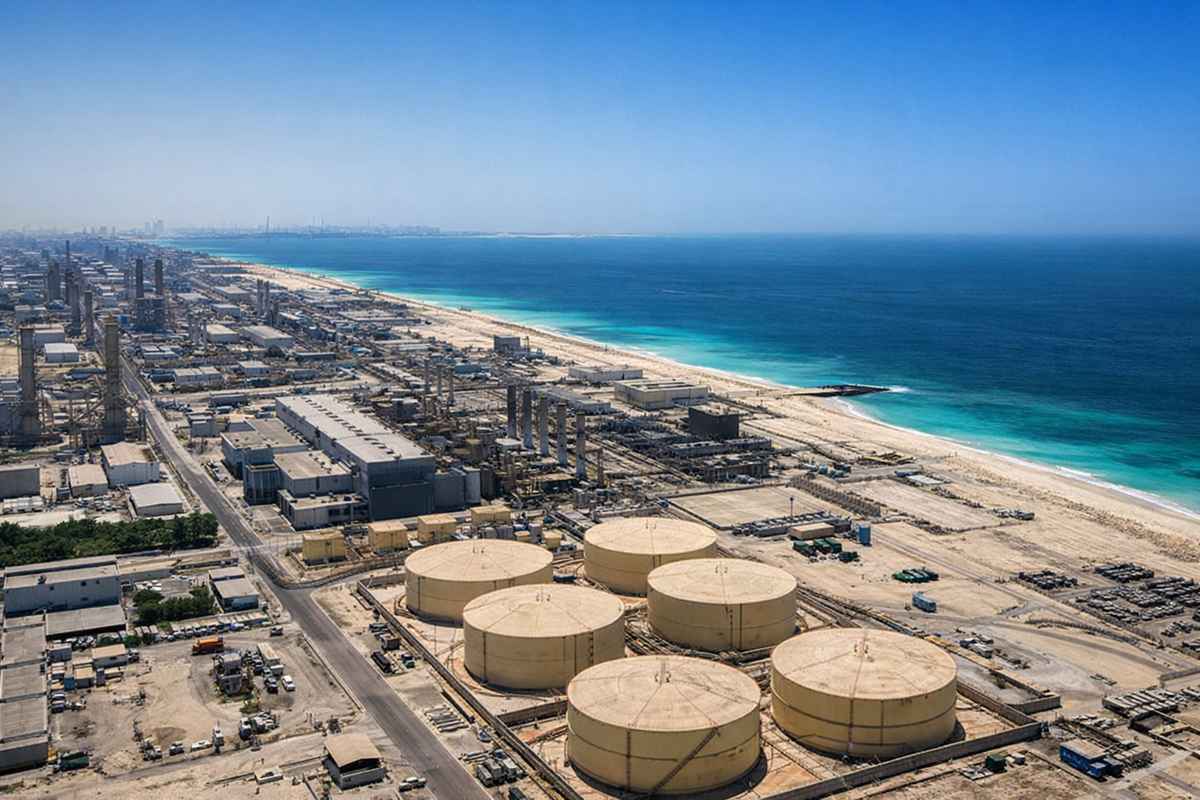
The most at-risk resource in the war on Iran is water, not oil or gas. Bahrain reported that an Iranian drone attack on Sunday, March 8, caused material damage to a desalination plant. This attack is the first against such infrastructure since the escalation began, but it sets a significant precedent by highlighting the fragility of the region’s water resources and the vulnerability of desalination plants as the conflict intensifies.
Why water is the most vulnerable resource in the war on Iran
The Sunday attack follows statements from Iranian Foreign Minister Abbas Araghchi. The Minister accused the United States of striking a desalination plant on Qeshm Island in southern Iran. “The water supply for 30 villages has been compromised. Attacking Iranian infrastructure is a dangerous move with severe consequences. The precedent was set by the United States, not Iran,” Abbas Araghchi wrote on X. Gulf countries rely on desalination plants for the vast majority of their water needs. Iran, for its part, has long suffered from water stress.
Gulf countries’ reliance on desalination plants
The states of the Gulf Cooperation Council (GCC) are considered world leaders in the use of non-conventional water sources. Desalination, particularly in Saudi Arabia and Kuwait, began as early as 1938. As the Gulf Research Center explains, most of the world’s total installed capacity for desalination plants is located in the Gulf region. GCC countries account for nearly 60% of global desalination capacity, producing almost 40% of the planet’s total desalinated water. According to 2023 estimates, there are 400 plants in the region.
Saudi Arabia ranks first globally in capacity, followed by the United Arab Emirates. Desalination plants in the United Arab Emirates provide more than 90% of potable water for the local population; in Oman, it is 86%, and in Saudi Arabia, 70%. These figures demonstrate that a targeted attack against these desalination plants could cause a severe and immediate humanitarian crisis, as millions of people depend on such infrastructure.
Desalination, the analysis continues, entails several problems. Desalination plants consume large quantities of energy. A further issue concerns the impact on aquifers, especially if a desalination plant is built inland: potential leaks from pipelines can lead to the infiltration of saltwater, thus becoming a danger to groundwater. Furthermore, these plants also impact the marine environment due to the discharge of residual brine and therefore contribute to an increase in water temperature.
Even according to the CIA, water is the “strategic raw material” of the Middle East, as Bloomberg reports. For decades, the CIA has informed policymakers of the risks of this dependency. In a secret, later declassified, assessment from the 1980s, intelligence warned that some regional leaders considered water more important than oil for national well-being.